Your Next Kayaking Adventure Starts With a Plan: The Kayaking Log Book Planner KDP Interior
Kayaking is more than a sport; it’s a collection of moments. The quiet sunrise paddle across a glassy lake, the thrilling rush of a river rapid, the discovery of a hidden cove. For enthusiasts, these experiences are precious, yet so often the details fade. The exact route, the weather conditions, the wildlife spotted, the lessons learned—they become a blur. This is where the purposeful act of logging transforms a hobby into a documented passion, and a well-designed Kayaking Log Book Planner becomes an essential tool.
Why Kayakers Are Embracing the Log Book Trend
The shift towards logging outdoor activities reflects a broader cultural movement. People are seeking to deepen their engagement with hobbies, moving from passive participation to active curation. In a digital age saturated with ephemeral content, a physical log book offers a tangible, personal archive. It serves multiple purposes: a practical record for improving skills and planning future trips, a safety log tracking conditions and equipment, and a personal journal preserving memories.
For the kayaker, a dedicated log book provides structure. Instead of scattered notes on a phone or random photos, you have a centralized, organized system. You can track your progress in distances covered, note specific techniques you practiced, and record water levels for favorite rivers. This data-driven approach to recreation is a natural extension of how modern individuals optimize their fitness, finances, and time.
The Evolution of DIY Publishing for Niche Interests
The availability of tools like Amazon’s Kindle Direct Publishing (KDP) has democratized publishing, allowing passionate individuals to create and share products for specialized communities. This is where the Kayaking Log Book Planner KDP Interior fits perfectly. It’s not just a generic notebook; it’s a pre-formatted, professional template designed specifically for the needs of paddlers. It represents a shift from mass-market stationery to customizable, niche-specific tools that creators can tailor and offer directly to their audience.
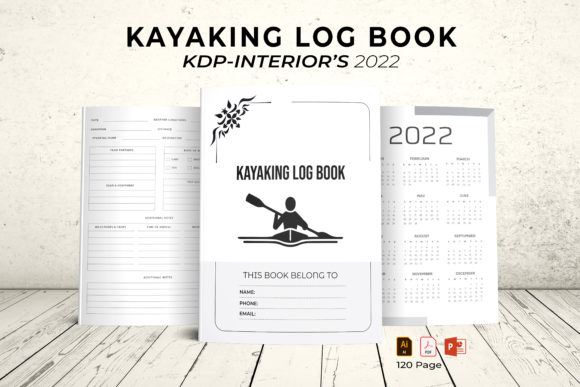
The 2022 Kayaking Log Book Planner – KDP Interior is a prime example of this evolution. It’s built for the creator who wants to produce a high-quality product without the overhead of graphic design software expertise or extensive layout work. The interior includes a 2022 Calendar and is comprehensively formatted and tested for KDP, making it ready to upload or print at home, in an office, or at a professional print shop.
Key Features for the Creator and End-User
Understanding the specifications highlights its practicality. The planner is designed at US Letter size, with a file size of 8.5 x 11 inches. This standard format ensures compatibility across printing platforms and ease of use for the kayaker who prefers a full-sized log book. The technical features cater directly to the KDP creator workflow:
- Easy to editable file and fully editable vector components allow for customization.
- Ready to upload status eliminates guesswork.
- The easy to change colors and 100 vector shapes re-sizable offer branding flexibility.
- It’s a print-ready file with high quality 300 dpi resolution.
- The package includes 120 pages, with 1 cover page and the included calendar 2022.
- The no bleed design simplifies the printing process, especially for home or office setups.
The Practical Workflow: From Template to Published Log Book
For entrepreneurs, marketers, or hobbyists looking to publish, this interior provides a streamlined path. The included file formats—Illustrator CC 2019 Ai or EPS file, Microsoft PowerPoint 2016 PPT file, and JPEG images—offer multiple avenues for editing, regardless of your preferred software. The final PDF file size of 8.5 x 11″ with NO BLEED is the golden ticket: it’s the exact file required for a seamless KDP upload.
This means you can build your own KDP Kayaking Log Book Planner 2022 by adding your unique cover design, perhaps adjusting some color schemes to match your brand, and then publishing directly to the Amazon marketplace. It bridges the gap between a great idea and a finished product, reducing technical barriers and focusing effort on marketing and connecting with the kayaking community.
Meeting Modern User Expectations
The end-user—the kayaker—benefits immensely from this creator-friendly model. They gain access to a product that is more specialized and thoughtfully designed than a blank journal. The inclusion of a dedicated calendar and structured pages prompts them to record not just trips, but also plan future excursions, maintenance schedules for their kayak and gear, and even connect their paddling to broader seasonal goals.
In a world where apps often fail to capture the tactile satisfaction of pen and paper, a physical log book resonates. It can be used on the go, doesn’t require battery power, and becomes a cherished object over time, filled with handwritten notes and perhaps even sketches or photographs glued in. The quality of the print, ensured by the 300 dpi source files, makes this a premium product that feels good to use.
Integrating the Log Book into a Balanced Lifestyle
For professionals and busy individuals, kayaking offers a vital escape. A log book helps formalize that escape, making it a more intentional part of life. Planning trips using the calendar, reflecting on experiences through the logs, and tracking progress towards personal paddling goals adds a layer of mindfulness and achievement. It turns sporadic recreation into a structured, rewarding pursuit.
The adaptability of the interior file is key here. A creator might produce versions tailored for different kayaking disciplines—sea kayaking, whitewater, or recreational paddling—by subtly adjusting the content prompts within the editable framework. This specificity meets market preferences for highly relevant tools.
Realistic Applications and Recommendations
Consider a kayaking instructor using a customized version of this planner as a student progress tracker. A local kayaking club could produce branded logs as membership items. An outdoor blogger could create and sell a tailored version to their audience. The applications are grounded in real community needs.
For anyone using this interior, recommendations are straightforward: focus on clear instructions for the end-user on how to best utilize the log pages, consider adding a brief guide on kayaking safety or trip planning as introductory content, and ensure your final product’s cover visually communicates the adventure and serenity of kayaking. The technical work is largely done; the creative and connective work begins.
Looking Forward: The Value of Documented Experience
The attention being paid to specialized log books like the Kayaking Log Book Planner signals a lasting trend. As people seek meaning and control in their personal pursuits, tools that facilitate reflection and planning grow in importance. This KDP interior isn’t just a template for a product; it’s an enablement tool for creators to participate in that trend and provide value.
It represents a pragmatic intersection of technology, creativity, and niche interest. The editable vector files and multiple formats speak to modern workflows; the focus on kayaking speaks to deep, personal hobbies; the KDP-ready nature speaks to contemporary entrepreneurial opportunities. By starting with this robust interior, you can efficiently build a product that helps fellow adventurers not only plan their next kayaking journey but also preserve every meaningful moment along the way.