Streamline Your Outdoor Adventure Designs
For any creative building a brand around outdoor pursuits, balancing rugged authenticity with clear, professional presentation is a core design challenge.
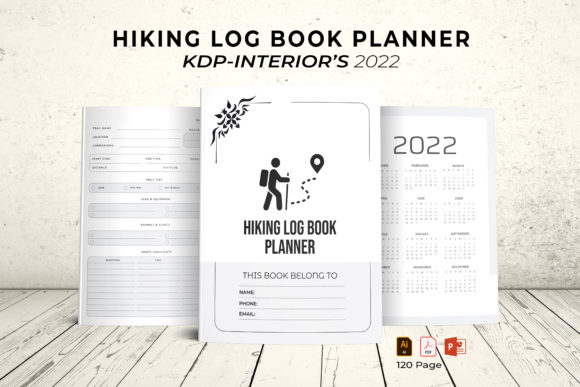
This is where a resource like the Hiking Log Book Planner – KDP Interior’s becomes invaluable. It’s a meticulously crafted digital product designed for self-publishing, but its underlying structure and visual principles offer a masterclass in clean, functional layout design for any nature-focused creative project.
A Foundation for Cohesive Visual Design
At its heart, this interior template is a toolkit for visual communication. It provides a pre-built framework that prioritizes usability and clarity—essential tenets for both UX design and print design. By starting with a tested layout, designers can focus their energy on enhancing the visual impact, rather than reinventing basic grids and hierarchies.
Consider how its components translate to broader creative applications:
- Editorial Design: The structured log pages exemplify how to handle repetitive data (like trail notes, dates, distances) with consistent typography and spacing, creating a rhythm that guides the user’s eye.
- Brand Identity Systems: The fully editable vector shapes and easy color changes allow for seamless adaptation to your existing brand palette, ensuring any derivative marketing materials or packaging design maintain consistency.
- Digital Product Creation: The multi-format files (AI, EPS, PPT, PDF) speak directly to a modern design workflow, enabling scalability from social media graphics to detailed print-ready merchandise.
Practical Applications Beyond the Log Book
The value lies in the adaptable design assets. The 100 vector shapes, for example, aren't just icons for a planner. They are scalable graphic elements ready to be repurposed into logo design concepts, illustrative elements for web design, or patterns for apparel branding. Their high-quality, 300 DPI foundation ensures they retain crispness across applications, from a tiny mobile app icon to a large-format promotional banner.
Typography and visual hierarchy are subtly baked into the template. The layout choices demonstrate how to lead the reader through information logically, a principle critical for website UI design, advertising campaigns, and presentation decks. By studying how date headers, body text fields, and highlight spaces are arranged, designers gain insights into structuring their own projects for maximum readability and engagement.
Elevating Your Creative Projects
Using a professionally formatted base like this allows creators to shortcut the technical setup and dive straight into the creative customization. This is crucial for maintaining a modern aesthetic across all touchpoints. Whether you’re designing a full line of outdoor-branded merchandise or a suite of digital marketing assets, starting with a print-ready, vector-based foundation guarantees a polished result.
It encourages a focus on the storytelling aspect of design. Instead of worrying about margins and bleed settings, you can concentrate on selecting imagery, refining your color palette, and ensuring every visual element communicates the spirit of adventure. This holistic approach strengthens brand identity and creates a more immersive user experience, whether the end product is a physical log book, a website, or a product label.
Ultimately, thoughtful design choices powered by flexible, quality assets are what differentiate amateur creations from professional, compelling ones. In the crowded space of outdoor and lifestyle branding, clarity, consistency, and visual appeal are your greatest tools. Leveraging structured, adaptable resources frees you to apply your expertise where it matters most: crafting authentic visual narratives that resonate deeply with your audience.